Find the right waterproof bag for the way you travel, explore, work, and spend time outdoors, from everyday rain to full-on water adventures.
The right waterproof backpack or bag depends on the activity, how much exposure to water you expect, what you’re carrying, how much space you need, and how far you’ll be carrying it. Waterproof bags and backpacks offer reliable protection from rain, splashes, wet ground and unexpected exposure to water, making them especially useful when keeping your gear dry really matters. They can, however, differ from regular backpacks in areas such as organization and back ventilation. The key is to choose the type and size of bag that suits the way you’ll actually use it, while keeping the wettest part of your journey in mind.
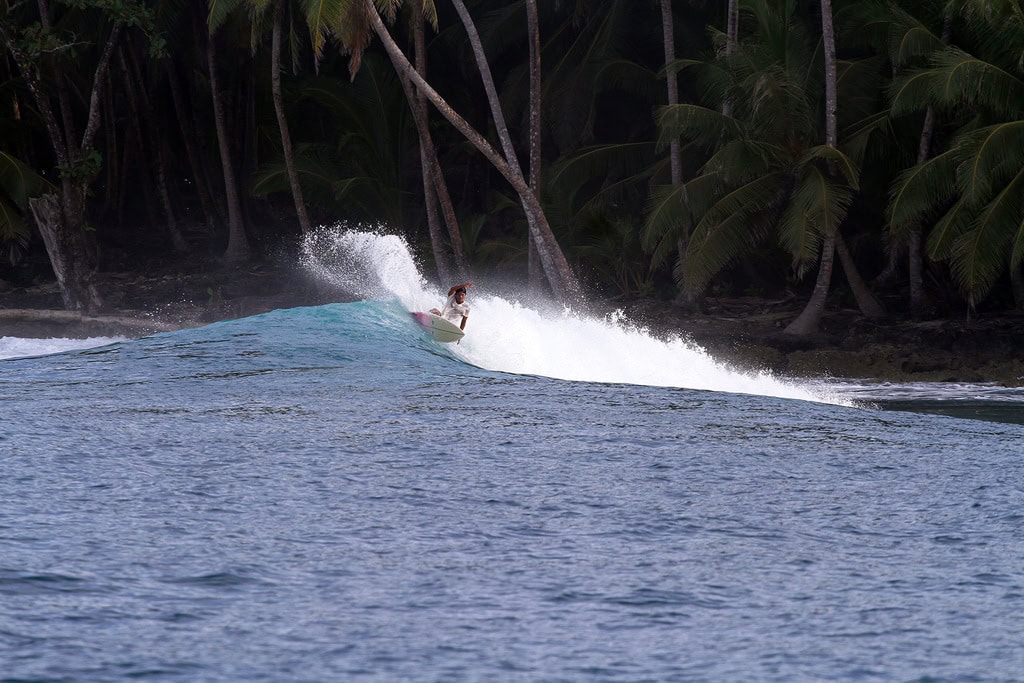

TRAVEL & HOLIDAYS
For travel, the best waterproof solution depends largely on how much exposure to water you expect. For ordinary city travel, airports, and hotels, a comfortable travel backpack with a few dry bags inside is often more practical than a fully waterproof backpack. It is usually lighter, easier to access, and better suited to everyday use.
A waterproof backpack becomes much more useful for island hopping, boat transfers, tropical rain, camping, or any trip where your luggage may be exposed to significant amounts of water. In these situations, waterproof construction can protect your belongings when a regular backpack would quickly become soaked.
One particularly useful travel setup is to bring a smaller 18L or 30L waterproof backpack as your secondary daypack. Leave your suitcase or main travel backpack safely in your room and use the waterproof backpack for day trips, hikes, boat rides, beach visits and other outdoor activities.
This approach gives you the protection you need when conditions are wet without forcing you to carry a fully waterproof bag throughout your entire trip.
FOR A WATERPROOF SETUP

DryTide 50L Waterproof Travel Backpack

DryTide 50L Waterproof Duffel Bag

DryTide 28L Point Nemo Airtight Waterproof Backpack

DryTide 30L Waterproof Backpack


KAYAKING / CANOEING / SUP / RAFTING
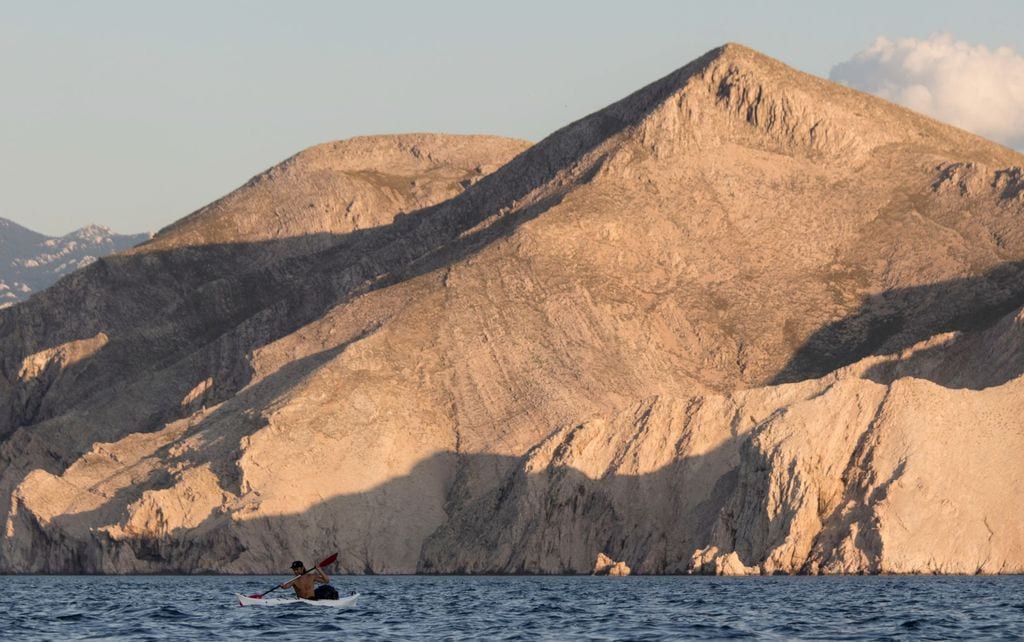
Kayaking, canoeing, paddleboarding, and rafting all share one important challenge: your gear may be exposed to continuous spray, splashes, waves, or even complete submersion. For these activities, a genuinely waterproof dry bag is usually a better choice than a bag that is merely water-resistant.
For a short paddle on calm water, a compact 5–10L dry bag is often enough for your phone, keys, wallet, snacks, and a light extra layer. A 15–30L bag is more useful when you need spare clothing, lunch, a first-aid kit, a camera, or other equipment. Longer trips may require a 40–60L bag or several smaller bags, depending on how much camping gear and food you need to carry. These size ranges are practical guidelines, not strict rules; the shape of the bag also matters, especially when it needs to fit inside a kayak hatch or be secured to a SUP.
The required level of protection depends on the activity and where the bag will be stored. A bag inside a closed kayak hatch may only need to handle occasional splashes, while a bag strapped to a SUP, raft or on top of your kayak is much more exposed and should be built for a higher level of water protection. For whitewater, rafting, or any trip where a capsize is realistic, prioritise robust construction and a closure designed to withstand brief submersion.
A practical setup is to use two or more bags instead of one large compartment: a larger dry bag for clothing and general equipment, plus a smaller waterproof pouch or dry bag for your phone, keys, documents, and other valuables. Smaller bags are also easier to organise and fit into the limited storage spaces found in kayaks and canoes.
If space is not a major concern and you’ll need to carry your belongings after landing, for example, while exploring a destination, a waterproof backpack can also be a practical option.
FOR PADDLING AND WATER ACTIVITIES

DryTide Waterproof Dry Bag Set 5L, 15L & 30L
DryTide 28L Point Nemo Airtight Waterproof Backpack
DryTide 30L Waterproof Backpack


SAILING / BOATING
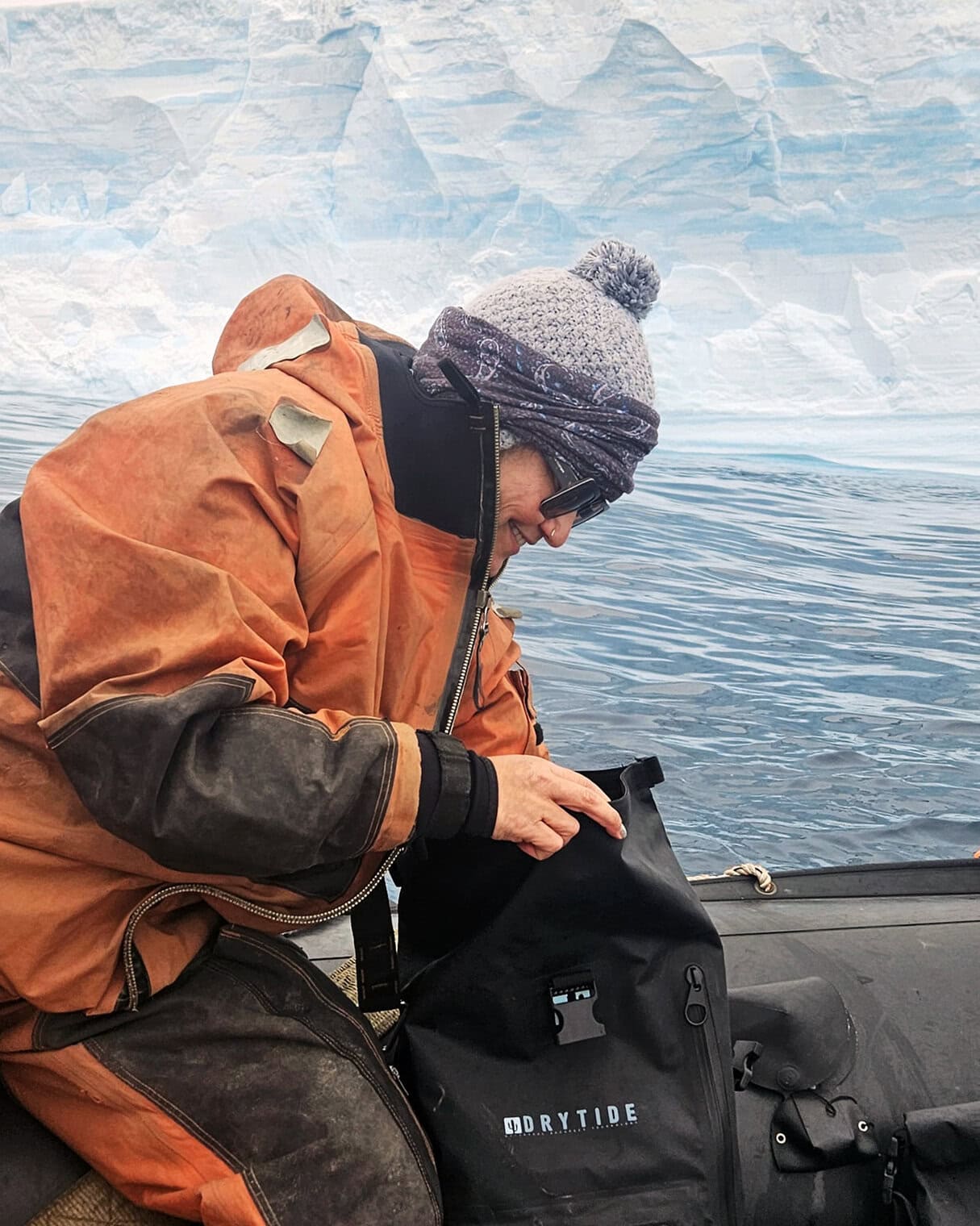
Sailing and boating expose your gear to spray, rain, wet decks, and sometimes a very wet transfer between the boat and shore. For most boating trips, the most practical options are a roll-top dry bag, a waterproof backpack, or a larger waterproof duffel. A capacity of around 20–35L is often useful for personal clothing and daily essentials, while longer trips or shared equipment may require a larger bag.
The most important features are a closure that seals reliably, durable construction, and a shape that is easy to stow and secure on board.
If a bag could realistically go overboard, choose one designed to handle brief submersion rather than relying on a bag described only as water-resistant. For everyday sailing, however, you may not need the most rugged submersible bag if your gear will stay inside a cabin, locker, or protected compartment.
For sailing, a combination of bags is often more practical than one oversized compartment: use a larger dry bag or waterproof duffel for clothing and general gear, and keep your phone, wallet, documents, and other valuables in a small waterproof pouch or dry bag. Several smaller bags are also easier to stow, carry, and organise on a boat.
Choose a waterproof backpack if you’ll be carrying your gear between the boat and shore, a dry bag if you mainly need compact storage, and a waterproof duffel if you’re transporting a larger amount of clothing or equipment.
FOR LIFE ON THE WATER
DryTide 30L Waterproof Backpack
DryTide 50L Waterproof Duffel Bag
DryTide 28L Point Nemo Airtight Waterproof Backpack
DryTide Waterproof Dry Bag Set 5L, 15L & 30L

BEACH
At the beach, you usually do not need a large waterproof backpack. A medium-sized dry bag is often more practical for keeping clothes, towels, electronics, and personal belongings dry while you move between the water and the shore.
A 5–15L bag is often enough for personal essentials such as a phone, wallet, keys, sunscreen, and a light layer. A 15–30L dry bag makes more sense when you also need to carry towels, spare clothes, snacks, or gear for more than one person.
The best style also depends on how far you need to carry your things. If you are driving to the beach or staying close to your accommodation, a dry bag is usually perfectly practical. If you have a longer walk, need to carry more equipment, or are moving between several beaches, a waterproof backpack is much more comfortable and convenient.
Small waterproof pouches are particularly useful for phones, keys, wallets, documents, and other valuables that need protection but do not justify carrying a larger bag. If you are simply leaving your belongings on the beach while swimming, a smaller dry bag is usually easier to keep close and monitor than a full-size waterproof backpack.
For a beach day, choose the smallest bag that comfortably fits your essentials. Choose a backpack when carrying comfort matters; otherwise, a simple dry bag may be all you need.
FOR BEACH DAYS
DryTide 30L Waterproof Backpack
DryTide Waterproof Dry Bag Set 5L, 15L & 30L

SURF TRIPS
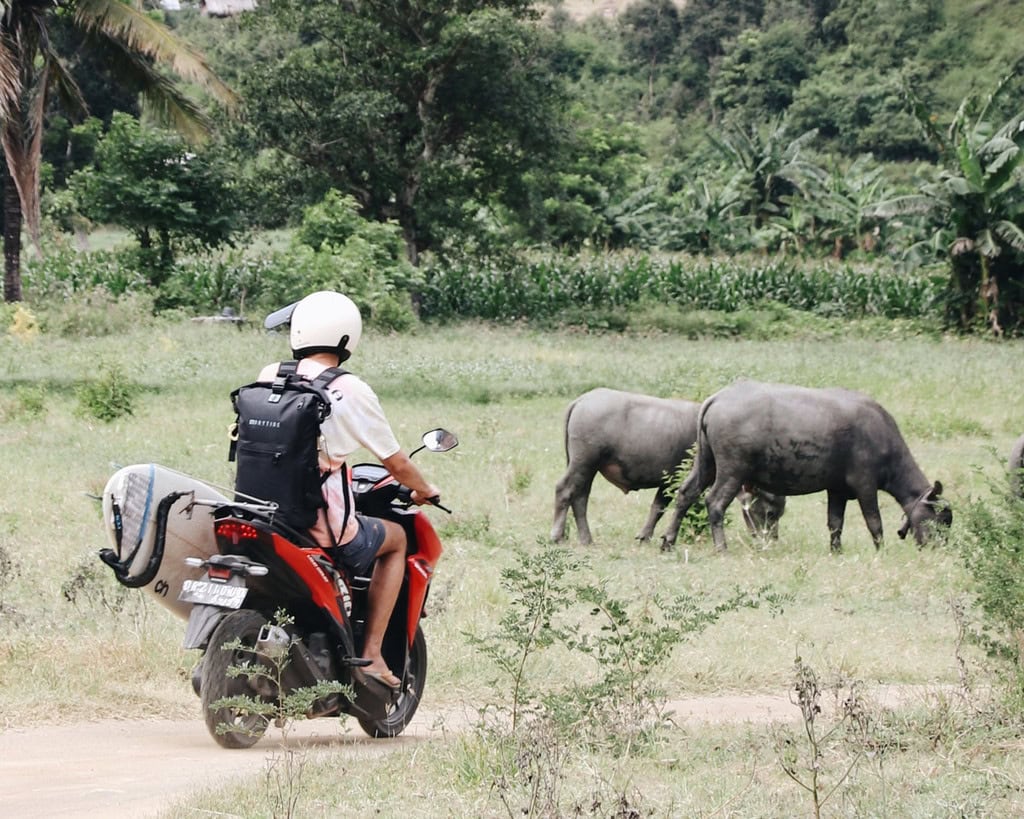
Surfing creates two separate waterproof-bag needs: keeping dry gear dry and containing wet gear after a session.
For carrying dry clothes, towels, food, electronics, and other essentials to the beach, a 20–40L dry bag or waterproof backpack is usually a practical choice. A waterproof backpack is especially useful if you have to walk a longer distance, carry your gear hands-free, or move between the beach, car, and accommodation.
Wet gear creates a different problem. A large waterproof bag or duffel can be useful for transporting a wet wetsuit, towel, or swimwear and keeping water away from the rest of your vehicle and equipment. In this case, the bag does not necessarily need to protect delicate contents from outside water; it mainly needs to contain moisture and prevent leaks.
These are two different jobs, so the ideal setup depends on what you want the bag to do. A dry bag for clean, dry equipment and a separate wet bag for used gear is often more practical than trying to use one oversized waterproof bag for everything. Some waterproof bags and backpacks include separate compartments for wet and dry gear, which can be particularly useful on surf trips.
FOR SURF TRIPS AND SURF TRAVEL
DryTide 50L Waterproof Duffel Bag
DryTide 30L Waterproof Backpack

DryTide Whale 30 Liter Dry Bag

PHOTOGRAPHY / ELECTRONICS PROTECTION
Photography and electronics require a more careful approach than simply choosing the bag that looks the most waterproof. In ordinary rain, a weather-resistant camera bag may be sufficient, especially if you are carrying the equipment for a short time. However, when expensive electronics may be exposed to heavy rain, spray, or accidental immersion, a genuinely waterproof bag provides an important extra layer of protection.
A dry bag is designed to keep water out, not to cushion delicate equipment from impacts. Cameras, lenses, drones, and other fragile electronics should therefore be protected inside the bag with padded inserts, protective cases, or suitable clothing. Avoid leaving sensitive equipment loose, since it can move around and be damaged even if the bag itself remains completely dry.
For particularly sensitive or valuable equipment, using a dry bag inside a waterproof backpack can provide an additional layer of protection. This creates two separate barriers against rain, spray, and accidental immersion. It is not a substitute for impact protection, however, so delicate equipment should still be secured with padding or a protective case.
For extreme conditions or highly valuable equipment, a specialist waterproof hard case may be more appropriate than a soft dry bag. Hard cases usually provide better impact protection and a more secure seal, but they are heavier, bulkier, pricier, and less convenient to carry. Choose the level of protection based on both the risk of water exposure and the value and fragility of the equipment.
FOR PROTECTING SENSITIVE GEAR
DryTide 28L Point Nemo Airtight Waterproof Backpack

DryTide 18L Waterproof Backpack
DryTide 30L Waterproof Backpack


CYCLING / COMMUTING
For cycling and commuting, a waterproof backpack can be an excellent choice because it protects your gear without requiring a separate rain cover. A capacity of around 20–30L is practical for carrying clothing, lunch, everyday essentials, and a laptop. If you only carry a few items, however, a smaller bag may be more comfortable and less bulky.
Waterproofing is only part of the equation. For everyday riding, comfort, stability, back ventilation, organisation, laptop protection, and easy access can matter just as much. A fully waterproof backpack often offers less ventilation and fewer convenient compartments than a purpose-built cycling or commuter backpack, so it is worth considering how much water protection you realistically need.
Some cyclists prefer panniers because they keep the load off their back, reduce sweating, and can be more comfortable when carrying heavier or bulky items. A backpack, on the other hand, is easier to carry once you leave the bike and is more versatile if you regularly switch between cycling and walking.
For occasional showers or shorter rides, a water-resistant commuter backpack, rain cover, or dry bags inside a regular backpack may be sufficient. If you cycle in consistently wet weather or carry a laptop and other sensitive items, a genuinely waterproof backpack offers more reliable protection than a typical water-resistant commuter pack.
FOR CYCLING AND COMMUTING
DryTide 28L Point Nemo Airtight Waterproof Backpack
DryTide 18L Waterproof Backpack


OUTDOOR / HIKING / CAMPING
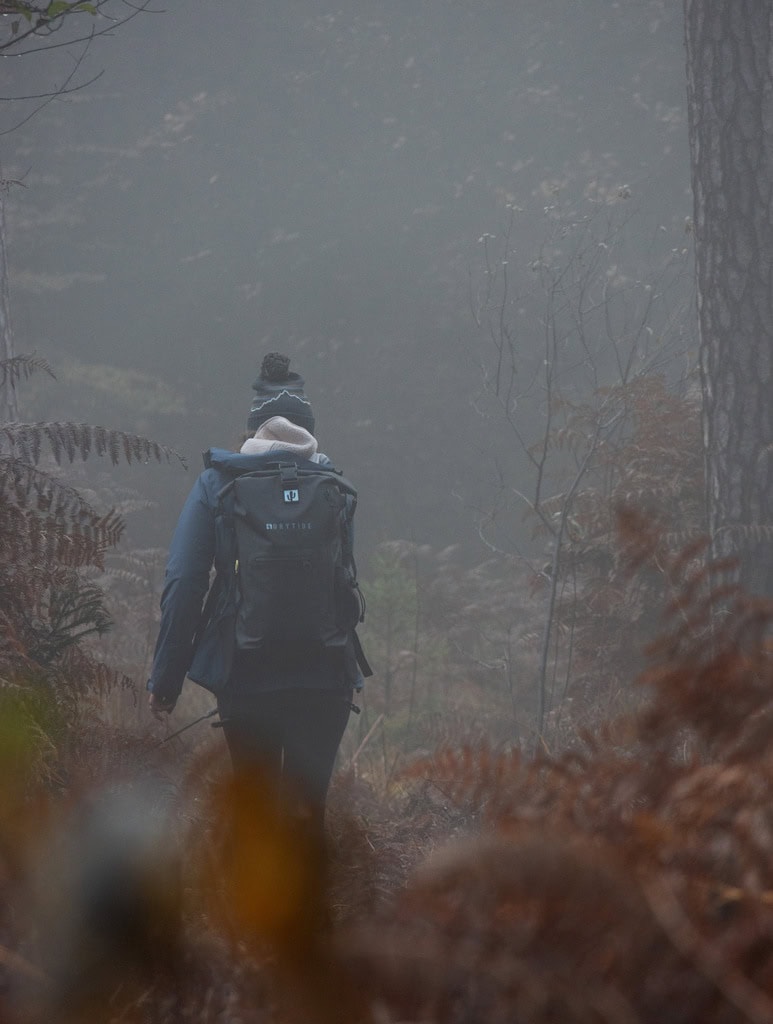
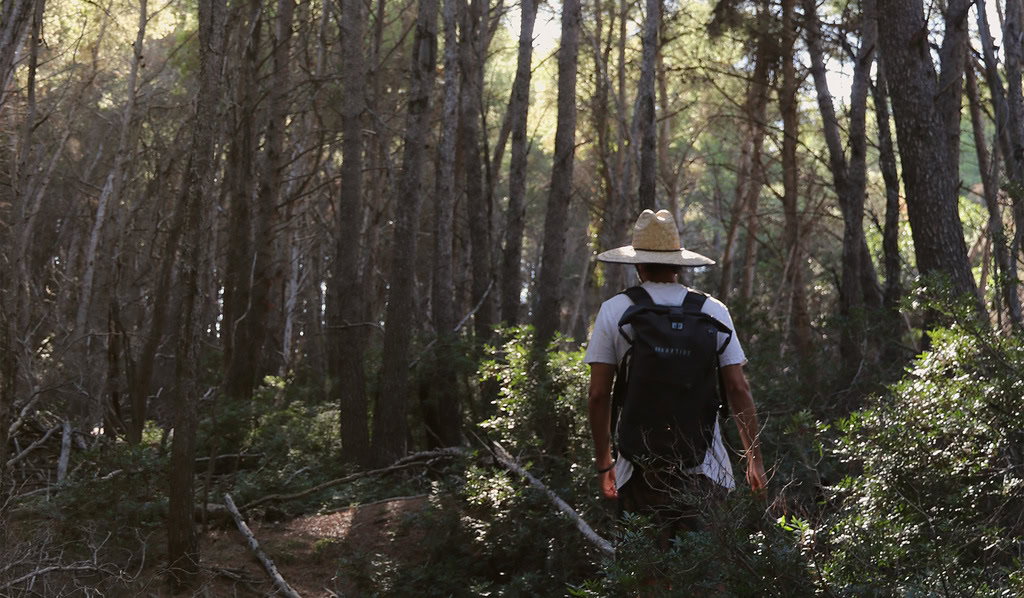
For hiking and camping, a fully waterproof backpack is not automatically the best choice. Hikers often prioritise a comfortable, lightweight pack with good back ventilation and effective load carrying, then use a pack liner or several dry bags to protect the items that absolutely need to stay dry.
Most waterproof backpacks have simpler carrying systems than purpose-built hiking packs. They generally use less padding and fewer breathable materials, partly because thick padded back panels and absorbent cushioning can become heavy and uncomfortable when wet. As a result, a waterproof backpack will rarely provide the same level of support, ventilation, and load distribution as a well-designed hiking pack.
For long hikes with a heavy load, a comfortable hiking backpack with a pack liner or several dry bags is often the more practical choice. Dry bags are especially useful for sleeping gear, spare clothing, electronics, food, and other essentials that need reliable protection from rain or wet ground. Organising your gear in several smaller bags also makes it easier to find what you need and separate wet or frequently used items from the rest of your equipment.
A fully waterproof backpack makes more sense when you expect particularly wet conditions, when stream crossings or paddling are part of the trip, when your load is not extra heavy or you don’t expect extremely long hikes or when the simplicity of carrying one waterproof pack matters more than having the most advanced carrying system.
A fully waterproof backpack becomes particularly useful when your gear is exposed to wet conditions for long periods. This does not necessarily mean hours of rain. If you hike for eight hours and then leave your backpack outside the tent overnight, wet grass, dew, fog and damp ground can keep it wet for hours even without rain. If you finish the day at a hut or campsite where you can bring your backpack inside and dry it, a fully waterproof backpack may be less important.
FOR WATERPROOF PROTECTION ON THE TRAIL
DryTide 50L Waterproof Travel Backpack
DryTide 28L Point Nemo Airtight Waterproof Backpack
DryTide Waterproof Dry Bag Set 5L, 15L & 30L
DryTide 18L Waterproof Backpack

FISHING
Fishing can expose your gear to much more water than a typical day at the beach. Spray, rain, wet surfaces, and the possibility of dropping something into the water all make reliable water protection more valuable.
A 15–30L dry bag is a versatile choice for spare clothing, food, personal items, and smaller fishing equipment. Choose a larger bag if you are carrying bulky clothing, waders, or gear for a full day. For short walks from a car to the water, a dry bag with shoulder straps or carry handles may be all you need.
A waterproof backpack makes more sense when you need to carry your equipment hands-free, especially when walking to a fishing spot or moving along the shore. If you want to keep your gear with you while fishing in the water, a waterproof backpack is often the best and most practical option. It keeps both hands free for your rod, line, and other equipment while protecting your belongings from splashes and accidental immersion.
For gear that is particularly sensitive to water, such as phones, cameras, documents, and spare electronics, smaller waterproof bags provide an additional layer of protection inside the main bag.
FOR FISHING TRIPS
DryTide 28L Point Nemo Airtight Waterproof Backpack
DryTide Waterproof Dry Bag Set 5L, 15L & 30L


MOTORCYCLE / VAN LIFE / ROAD TRIPS
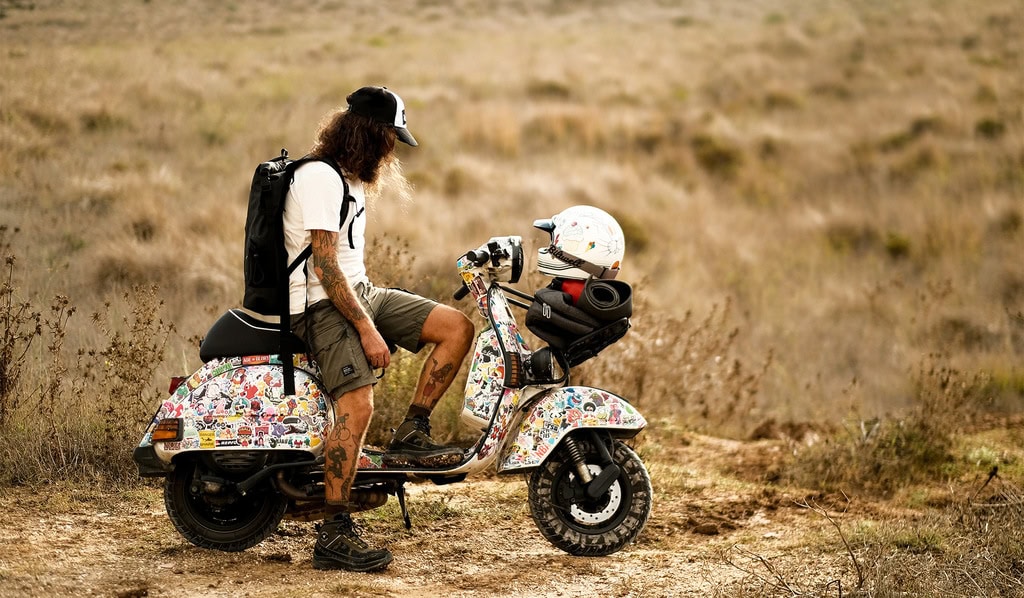
For motorcycle touring, a robust dry bag that can be securely strapped to the bike is often more practical than a conventional waterproof backpack. When most of the journey happens on the motorcycle, carrying comfort matters less than durable construction, a reliable waterproof closure, and secure attachment points. A 20–40L bag is a useful range for larger personal loads, while several smaller dry bags can make packing, access, and weight distribution easier.
A waterproof backpack becomes more useful when you need to carry your gear away from the motorcycle, for example, when walking to accommodation, a campsite, or a remote spot. Otherwise, a dry bag or waterproof duffel is usually better suited to motorcycle travel because it can remain attached to the bike and does not need to provide a comfortable carrying system.
Van life and road trips are slightly different. Waterproof bags are not always necessary for everyday storage inside a dry van or vehicle, where regular storage boxes and travel bags may offer better organisation and easier access. They become useful when you regularly carry wet or dirty gear, store equipment outside the vehicle, or need to protect belongings from rain and damp conditions.
Large waterproof duffels work particularly well for clothing, outdoor equipment, water sports gear, and other bulky items that need to be transported, stored, or protected from wet environments. Several smaller bags may be more practical than one oversized duffel if you want easier access and better organisation.
FOR ROAD TRIPS AND OUTDOOR TRAVEL
DryTide 50L Waterproof Duffel Bag
DryTide 28L Point Nemo Airtight Waterproof Backpack
DryTide 30L Waterproof Backpack

EVERYDAY / GENERAL WATERPROOF CARRY
For everyday use, you do not necessarily need a fully waterproof bag. If you only want protection from occasional showers, a water-resistant backpack may be lighter, easier to organise, and more comfortable to carry.
A genuinely waterproof backpack becomes worthwhile if you regularly cycle or walk in heavy rain, live in a consistently wet climate, or simply do not want to worry about the contents of your bag. It can also be useful if you carry sensitive items such as a laptop, camera, or spare clothing.
For smaller everyday loads, a waterproof waist bag or compact dry bag may be a better solution than carrying a full-size backpack. The best choice depends on how much you carry, how far you carry it, and how much exposure to water you realistically expect.
FOR EVERYDAY WATERPROOF CARRY
DryTide 28L Point Nemo Airtight Waterproof Backpack
DryTide 18L Waterproof Backpack


WORK & DIGITAL NOMAD TRAVEL
For work and digital nomad travel, waterproofing is important, but it should not come at the expense of organisation or comfortable laptop carrying. A 25–30L waterproof backpack is a practical general-purpose size for carrying a laptop, charger, documents, clothing, and everyday essentials.
However, if you only need protection from occasional rain, a regular commuter or travel backpack with a well-protected laptop compartment and a waterproof laptop sleeve may be more practical. It will often offer better organisation, easier access, and a more comfortable carrying system than a fully waterproof backpack.
For people regularly exposed to heavy rain, cycling, motorcycle travel, boat transfers, or tropical weather, a fully waterproof backpack provides more reliable protection and greater peace of mind. A waterproof laptop sleeve is still useful as a second layer of protection, especially when the laptop is expensive, contains important work, or would be difficult to replace.
The best setup depends on how you travel. Choose a waterproof backpack when reliable protection is a regular requirement; otherwise, a comfortable work backpack combined with a waterproof laptop sleeve may be the more practical option.
FOR WORK ON THE MOVE
DryTide 28L Point Nemo Airtight Waterproof Backpack
DryTide 30L Waterproof Backpack
DryTide 18L Waterproof Backpack


FAMILY TRIPS & PICNICS
For family trips and picnics, one large waterproof bag is not necessarily the most convenient solution. A modular setup is often more practical: use a medium-sized dry bag for clothes and towels, smaller waterproof pouches for personal items, and a dedicated cooler for food and drinks.
A 15–30L dry bag is a useful size for shared family gear. It can hold a reasonable amount of clothing, towels, and other essentials without becoming unnecessarily bulky or difficult to carry. If you need to carry equipment for several people, two medium-sized bags may be easier to organise than one very large bag.
Smaller waterproof pouches are particularly useful for phones, keys, wallets, documents, and other personal items. For food and drinks, however, an insulated cooler is usually a better choice than a standard dry bag because it is designed to keep contents cold and makes everything easier to access.
A waterproof backpack may be useful if you need to walk a longer distance to your picnic spot or carry the gear hands-free. If you are driving close to the destination, a dry bag with handles or shoulder straps may be all you need.
FOR FAMILY DAYS OUTDOORS

DryTide Waterproof Insulated Cooler Bag
DryTide 28L Point Nemo Airtight Waterproof Backpack
DryTide 30L Waterproof Backpack

SNOW & WINTER ADVENTURES
For skiing and snowboarding, a fully waterproof backpack is not necessarily the best solution. Purpose-built ski and snowboard packs often offer features that a dry bag cannot, such as ski or snowboard carry systems, hydration compatibility, helmet storage, avalanche-safety compartments, and better organisation for winter gear.
For normal resort skiing, a water-resistant ski backpack combined with smaller dry bags for items that absolutely must stay dry can be a practical setup. This gives you easier access to your equipment and better organisation without making the entire pack fully waterproof.
A waterproof backpack becomes more attractive in particularly wet conditions, during ski touring or winter expeditions, or whenever the contents may be exposed to melting snow for extended periods. It can also be useful when you expect to set the bag down in wet snow or carry it outside a protected compartment for long periods.
As with hiking, carrying comfort and activity-specific features may matter more than complete waterproofing. Choose a fully waterproof backpack when reliable protection from melting snow is a priority; otherwise, a well-designed ski pack with a few internal dry bags may be the more practical choice.
FOR WET WINTER CONDITIONS
-
DryTide 28L Point Nemo Airtight Waterproof Backpack
Airtight protection for adventures where water is never far away.149,00 €DryTide 28L Point Nemo Airtight Waterproof BackpackFebruary 7, 2026 -
DryTide 30L Waterproof Backpack
Our all-round waterproof backpack for travel and outdoor use.89,00 €DryTide 30L Waterproof BackpackNovember 20, 2020